
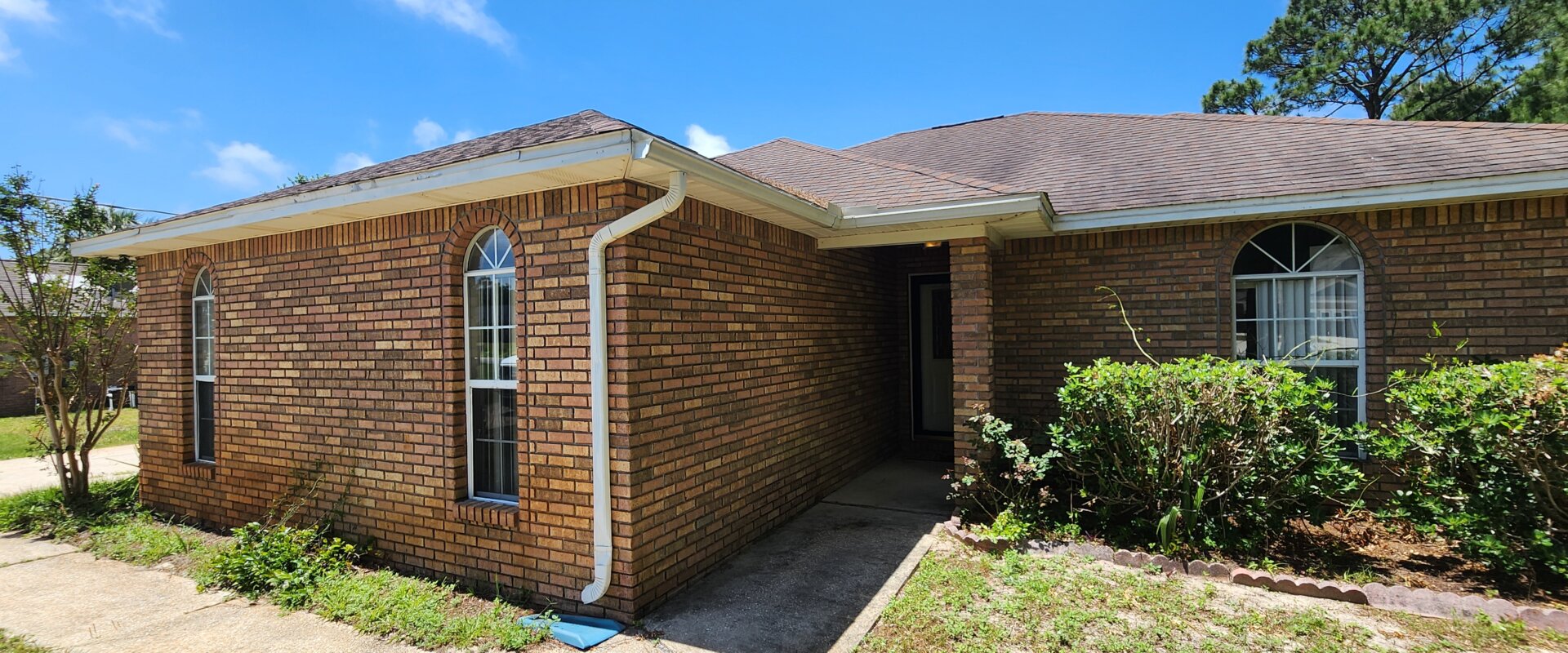
Selling a rental property can be a complex process for Florida investors, but it can be even more challenging when there are tenants living in the property. As a landlord, you have the responsibility to ensure that your tenants’ rights are protected while also trying to sell your property. Remember, while it is your property, it is also someone’s home. If you’ve never sold an occupied house with tenants before, we’ve detailed below how to notify your tenants, prepare your property for sale, and close the deal.
How To Sell an Occupied House with Tenants
Selling a house with tenants can be a challenging process. It requires careful planning, communication, and cooperation to ensure that the rights of both the landlord and the tenants are protected.

Notify Your Tenants
The first step in selling a rental property with tenants is to notify them of your intention to sell the property. This means providing a written notice to your tenants that includes the date you plan to list the property for sale and the date you plan to show the property to potential buyers. In most states, this notice must be delivered 24 hours in advance.
It’s essential to be transparent and open with your tenants throughout the selling process. You must inform them of any changes or developments as they occur, such as new offers or a closing date. Keeping your tenants informed can help alleviate their concerns and make the process go more smoothly.

Prepare Your Property for Sale
Once you have notified your tenants, it’s time to start preparing your property for sale. This can include cleaning, repairs, and staging your property. You want to ensure that your property is presented in the best possible light to potential buyers.
If your tenants are still living in the property, it’s vital to respect their privacy and their living space. You should work with them to schedule times for cleaning, repairs, and staging that work for their schedules. You should also be mindful of any changes that may impact their living arrangements, such as scheduling showings during their work hours or interrupting their daily routines.

Work with Your Tenants
When selling a rental property with tenants, it’s crucial to work with them throughout the process. This means being flexible and accommodating when necessary. For example, if your tenants are not comfortable with strangers coming into their homes, you may need to limit the number of showings or schedule them at times when your tenants are not at home.
You should also be prepared to answer any questions or concerns your tenants may have about the selling process. They may be worried about their security deposit, the terms of their lease, or their future housing arrangements. It’s important to address these concerns promptly and honestly to maintain a good relationship with your tenants.
Get Help Selling Your Tenant Occupied Home – Contact Us Today!
If you need help selling your Florida rental, Panhandle Real Estate Investments can help! (850) 778-2212
Get An Offer Today, Sell In A Matter Of Days…
Different Types of Leases
As a landlord considering selling your occupied rental property in Florida, you have several pathways available depending on your tenants’ lease type. At Panhandle Real Estate Investments, we understand the unique challenges property owners face when balancing tenant relationships with the need to sell.
Selling With Fixed Term-Lease Tenants
When your property has tenants on a fixed-term lease (typically six months to a year with a specific end date), you have several options as a Florida property owner looking to sell.
1. Wait Until the Lease Expires
The most straightforward approach is waiting until the lease ends before selling. This respects your tenants’ living situation and simplifies the selling process. You’ll need to ensure you’re following all terms in your lease agreement regarding property sales, particularly important here in the Panhandle where maintaining good relationships matters.
2. List With Tenants in Place
Another option is listing your property with tenants still living there. While more complex, this can actually appeal to certain buyers, especially other investors looking for ready-to-go rental properties. Communication is essential – you’ll need to coordinate with tenants for showings and property preparation. Florida law requires landlords to provide at least 24 hours notice before showing the property to potential buyers, and treating tenants with respect throughout this process maintains your integrity as a property owner.
Consider offering incentives to encourage tenant cooperation during the selling process. A rent reduction, cleaning service, or cash bonus for maintaining the property during showings can create a more positive experience for everyone involved and potentially lead to a faster sale of your Florida property.
3. Sell Directly to a Local Cash Buyer
If you’d prefer to avoid the complexities of selling a tenant-occupied property, consider working with a local, family-owned company like ours. As transparent cash buyers based right here in Florida, we specialize in purchasing properties quickly and without disruption. This approach is particularly valuable for landlords dealing with challenging tenant situations or those who simply want a fast, stress-free transaction without the complications of traditional listings.
While our cash offers may sometimes be lower than full market retail prices, we provide significant value by eliminating realtor commissions, repair costs, and ongoing holding expenses. As local Gulf Coast investors committed to neighborhood revitalization, we handle all paperwork and complications, allowing you to walk away with cash in hand and peace of mind.
Comparison Table: Selling a Florida Rental With Tenants
| Option | Typical timeline | Showings needed? | Typical out-of-pocket costs | Best for | Main trade-offs |
|---|---|---|---|---|---|
| Wait and sell after the tenant moves out | 30–120+ days (depends on lease end + turnover time) | Minimal to none while occupied | Possible lost rent during vacancy, make-ready/repairs, cleaning, marketing | Owners who want max retail buyer interest and less tenant disruption | Takes longer; may delay your plans; you might carry holding costs while vacant |
| List on the MLS with tenants in place | 30–90+ days (market-dependent) | Yes (coordinated access) | Agent commission, possible repairs, cleaning, photos, concessions | Owners who want retail exposure but don’t want to wait for vacancy | Showings can be challenging; condition may limit top offers; tenant cooperation matters |
| Sell directly to a cash buyer with tenants in place | 7–21 days (often faster) | Usually no (or limited) | Often minimal (as-is sale), fewer prep costs | Owners who want speed, certainty, and low hassle | Typically lower price than a fully renovated, vacant retail sale |
| Offer “cash-for-keys” and sell vacant | 14–45 days (negotiation + move-out + light turnover) | Not until vacant (or very limited) | Incentive payment, possible prorated rent/relocation help, cleaning | Owners who want vacant sale without a long wait | Costs money; success depends on tenant agreement; must be handled professionally and in writing |
| Sell to an investor/landlord buyer (tenant stays) | 14–60+ days (buyer financing varies) | Sometimes limited | Usually lower prep; inspection items vary | Owners with a performing rental and good tenant/records | Buyer pool smaller than retail; deal hinges on lease, rent, and property condition |
Options With Month-to-Month Leases
Month-to-month leases offer more flexibility when selling your rental property, as these agreements automatically renew each month without a long-term commitment. Here’s how to navigate selling with these arrangements in place.
1. Renegotiate Terms
One approach is discussing new lease terms with your tenants. For instance, you might propose a longer fixed-term agreement of six months or a year, providing stability during your selling process. This can benefit tenants by offering security while giving you a defined timeline for property marketing and transition.
Remember that tenants may value the flexibility of month-to-month arrangements, especially in today’s uncertain housing market. Forcing a longer lease could strain relationships, so approach these conversations with the same transparency and respect that defines our business practices here at Panhandle Real Estate Investments.
2. Provide Proper Notice
With month-to-month leases, you can provide notice to terminate the agreement following Florida state requirements. Typically, this means giving tenants at least 30 days’ written notice before ending the lease. This approach creates a clear timeline for selling your vacant property.
If you’re seeking a quick, hassle-free sale without navigating tenant complexities, this option provides a cleaner path forward. Once the property is vacant, you can sell without coordinating showings or managing tenant concerns. As a family-owned business committed to helping Bay County property owners, we can guide you through this process with integrity and local market expertise.
What do You do if Your Tenants Don’t Want to Leave?
As a Florida landlord, you may find yourself wanting to sell your rental property while tenants are still occupying the space. This challenging situation doesn’t have to become a stressful ordeal. Here at Panhandle Real Estate Investments, we’ve helped many Gulf Coast property owners navigate these exact circumstances with dignity and fairness.
Sell to the Tenant
One straightforward solution is offering to sell the property to your current tenant. This creates a win-win opportunity for everyone involved. Your tenant already knows the property inside and out, has established community connections, and may prefer buying over relocating. They might even pay a premium to avoid the hassle and expense of moving, making this option financially attractive for both parties.
If your tenant expresses interest in purchasing, consult with a real estate attorney to ensure all legal requirements are met, including necessary paperwork and disclosures. Have the property professionally appraised to establish its current market value in the Florida Panhandle region, which will help you negotiate a fair price that respects both your investment and your tenant’s position.
Financing is another important consideration. If your tenant struggles to secure traditional bank financing, owner financing might be an option worth exploring. This arrangement allows you to act as the lender, with your tenant making payments directly to you instead of a financial institution. This can be particularly helpful in Bay County’s diverse real estate market, where conventional financing isn’t always accessible to everyone.
While selling to your tenant offers a clean, straightforward solution, it’s important to recognize that not every tenant will have the interest or financial capacity to purchase. If this approach doesn’t work out, don’t worry – as local real estate experts, we know there are several other paths forward that can still result in a successful property sale.
Sell to an Investor
Another viable option is selling to a Florida investor like our family-owned company, Panhandle Real Estate Investments. Experienced investors often value rental properties with established tenants because they represent immediate income potential. As local investors who understand the Gulf Coast market, we can offer fair prices based on actual neighborhood conditions and rental performance.
When considering an investor sale, consulting with a knowledgeable real estate professional can help you find qualified buyers who understand the Florida rental market. Getting an accurate property appraisal will establish a solid foundation for negotiating a fair price, ensuring you receive appropriate value for your investment while facilitating a smooth transaction.
It’s worth noting that some investors may have different plans for the property that don’t include maintaining current tenancy arrangements. They might intend to renovate or reconfigure the property, or bring in different tenants. In these cases, you’ll need to provide proper notice to your tenants about the lease situation. As neighborhood revitalization specialists, we believe transparent communication with all parties makes the transition smoother and more respectful for everyone involved.
Paying Your Tenant to Leave
If neither tenant purchase nor investor sale with tenant retention is feasible, you might consider offering a cash-for-keys arrangement. While this can be a difficult decision, it sometimes represents the most straightforward path to selling your property quickly without legal complications. This approach aligns with our company’s commitment to finding honest solutions that treat everyone with dignity and respect.
Before implementing a cash-for-keys agreement, consult with a real estate attorney to ensure legal compliance with Florida tenant laws. Negotiate a fair compensation package that acknowledges both your tenant’s relocation costs and your need to sell. Have your tenant sign a comprehensive release of liability agreement to protect all parties from future legal complications, creating a clean break that allows everyone to move forward.
The main drawback to cash-for-keys is the upfront cost – effective incentives typically require meaningful financial compensation to offset your tenant’s moving expenses and inconvenience. However, when weighed against potential delays in selling your property or possible legal disputes, this investment often proves worthwhile. At Panhandle Real Estate Investments, we’ve helped many Bay County property owners navigate these situations with solutions that work for both landlords and tenants.
Tenant-Occupied House Sale FAQs (Florida)
Can I sell a house in Florida with tenants still living there?
Yes. Florida allows you to sell a tenant-occupied home. The practical question is how you sell it:
- Sell with tenants in place: common for investor buyers (often easier for the tenant since they can stay).
- Sell vacant: usually attracts more retail buyers, but you have to follow the lease and Florida notice rules if you want the tenant out.
Either way, start by reviewing the lease (term, renewal, entry rules, and any “sale/early termination” language) and communicate the plan clearly with the tenant.
Does the lease stay in place after the sale?
In most cases, yes. The new owner typically takes over as the landlord and must follow the existing lease terms through the lease end date (unless the lease includes a valid early-termination clause tied to a sale, or the tenant agrees in writing to a different move-out plan).
How much notice do tenants need for showings in Florida?
Florida law says a tenant cannot unreasonably withhold consent for you to enter to exhibit the property to prospective purchasers.
The statute does not give an exact “X hours” rule specifically for showings, but it does set “reasonable notice” for repairs as at least 24 hours, and it prohibits abusing access or using it to harass a tenant.
Best practice (and what most buyers/agents expect):
- Give written notice and offer reasonable showing windows.
- Use at least 24 hours’ notice whenever possible (and follow any stricter notice rules in the lease).
- Keep it professional: no surprise drop-ins, no excessive showings back-to-back.
What if the tenant refuses showings?
Start with the easiest fixes first:
- Ask what would make it easier (certain days, time blocks, longer notice).
- Offer a small cooperation incentive (gift card, rent credit, cleaning help) in writing.
- Limit disruption by doing scheduled blocks (example: Tue/Thu 4–6pm, Sat 11–1).
If refusal continues, Florida law says the tenant should not unreasonably withhold consent for entry to exhibit to buyers, and it lists “when the tenant unreasonably withholds consent” as a circumstance allowing entry for the purposes in the statute.
Because this can get legally sensitive fast (and you must avoid anything that looks like harassment), it’s smart to document everything and get Florida attorney guidance before escalating.
Can I end a month-to-month lease to sell vacant?
Yes, if the tenancy is month-to-month (no specific term), Florida requires at least 30 days’ written notice prior to the end of the monthly period.
Translation: you generally time the notice so the move-out date lines up with the end of a rent period.
What happens to the security deposit when I sell?
Florida requires that when title is sold or transferred, security deposits and advance rents must be transferred to the new owner/agent, including any earned interest, along with an accurate accounting by tenant.
Once those funds and records are transferred and a receipt is provided, the seller is generally relieved from the obligation to hold them.
Best practice at closing:
- Include a deposit transfer statement/accounting in the closing package.
- Make sure tenants get updated info on who is holding/handling the deposit going forward (Florida’s deposit notice rules require tenant notice when deposit handling details change).
Selling a Rental Property with Difficult Tenants? Here’s What You Need to Know
If you’ve ever had to deal with uncooperative tenants, you already know how stressful it can be. But trying to sell a rental property with those same tenants in place? That’s a whole new level of frustration.
Whether your tenants have a history of missed payments, property damage, or simply don’t want to cooperate during the sale, the reality is: they can make the process a nightmare—especially if they sense the clock is ticking.
The truth is, you’re not just selling a home. You’re managing personalities, legal risks, and emotions… all while trying to protect your investment. Here’s how to navigate this delicate situation without losing your sanity—or your shirt.
Option 1: Get Backup from Professionals Who Know How to Handle It
Experienced real estate agents who’ve dealt with “non-cooperative” tenants before can sometimes diffuse tension and structure a sale with minimal disruption. Just know: not every agent is cut out for this.
You may also consider hiring a property manager with strong tenant relations skills. They can act as a buffer and keep communications professional and compliant during the transition.
If things escalate or the tenant refuses to cooperate with showings, access, or inspections, it’s smart to bring in a real estate attorney. They can review your lease, guide you on tenant rights, and make sure you don’t violate any local laws that could delay or derail your sale.
Option 2: Offer an Incentive to Move Out Voluntarily
In many cases, money talks. Offering a “cash for keys” agreement—a small payout in exchange for an early, peaceful move-out—can help speed up the process and avoid drawn-out legal battles. It’s not ideal emotionally, but it’s often cheaper and faster than dealing with eviction.
Just make sure you document everything and have the agreement signed with legal counsel present. Verbal deals fall apart fast when stress and money are involved.
Option 3: Sell to a Professional Buyer and Avoid the Drama Altogether
If you don’t have the time, energy, or desire to deal with difficult tenants and drawn-out processes, selling your property directly to a professional investor like Panhandle Real Estate Investments might be your best move.
Here’s why:
- We buy properties with tenants in place—no need to negotiate or evict.
- We take care of the paperwork, legal hurdles, and closing logistics.
- You get a fair, cash offer without commissions, repairs, or waiting.
This means you can walk away from the property without getting entangled in stressful negotiations or emotional blowups.
If You Need Help Selling Your Tenant Occupied Home – Contact Us Today!
Selling an occupied house with tenants can be a complicated process, but it’s not impossible. Whether you choose to list immediately or once their lease is up, it’s important to communicate with your tenants throughout the process and to be respectful of their privacy and living space. By following these tips, you can ensure that the selling process goes as smoothly as possible while also protecting the rights of both the landlord and the tenants. If you need help selling your Florida rental, Panhandle Real Estate Investments can help! (850) 778-2212
Contact Us
We would love to hear from you! Please fill out this form and we will get in touch with you shortly.