
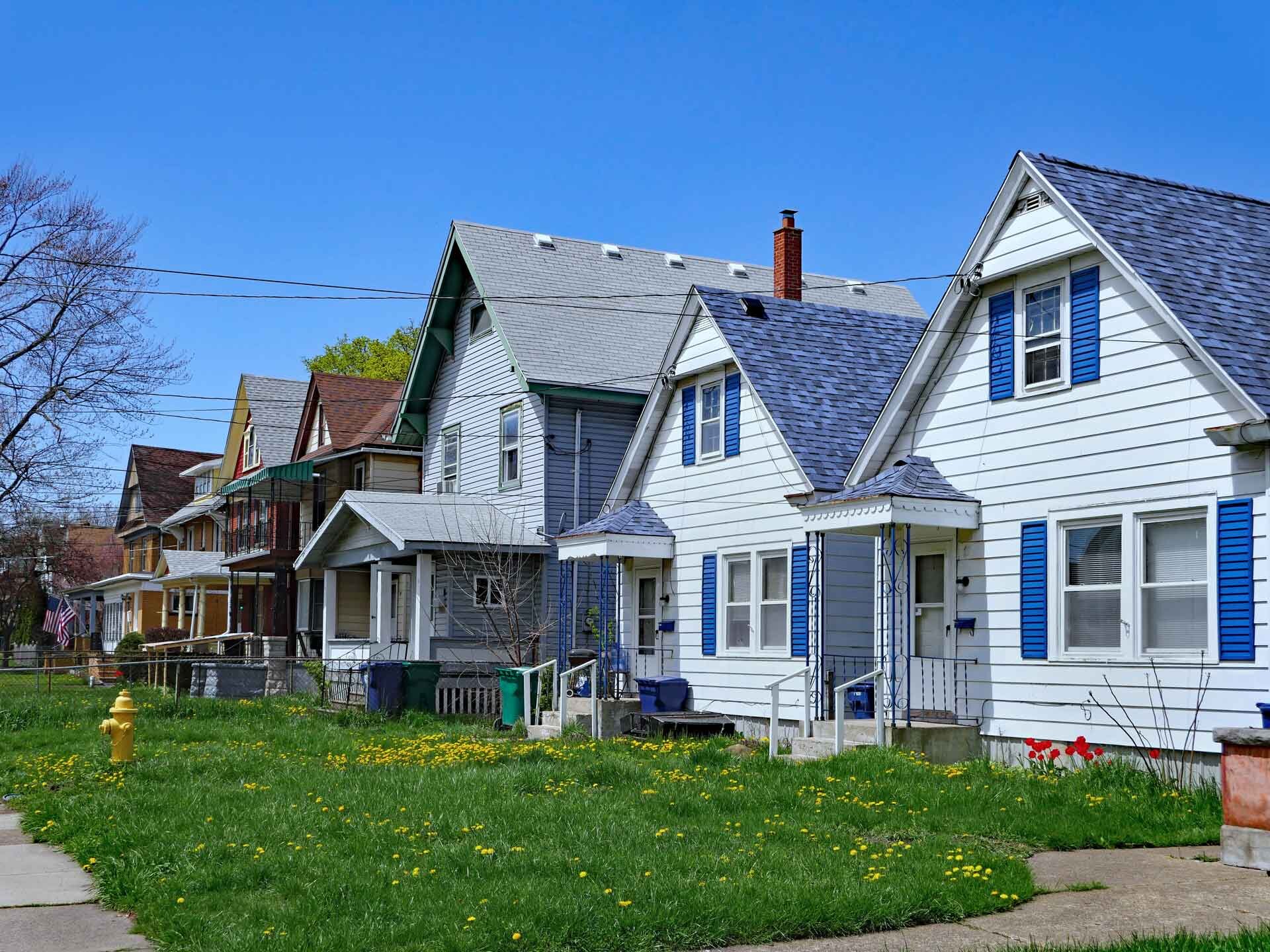
Foreclosure occurs when homeowners can’t keep up with mortgage payments and find themselves without options to catch up financially. Your mortgage represents a binding agreement with your lender, and once you’ve defaulted on that loan, they have the legal authority to auction your property to recover their losses—potentially leaving you homeless with severely damaged credit that follows you for years.
No one wants to face foreclosure, yet according to recent data, nearly 1 million Americans feared losing their homes (U.S. Census Bureau Household Pulse Survey, fielded from July 27 to Aug. 8, 2022). Foreclosure can result from several unexpected life challenges, including:
- Unexpected job loss or significant reduction in household income
- Divorce, separation, or death of a spouse or financial contributor
- Mounting debt from medical emergencies, credit cards, or other financial obligations
- Needing to relocate quickly without being able to sell your property
- Property damage from hurricanes or other Gulf Coast natural disasters
Panhandle Real Estate Investments is a trusted family-owned real estate solutions company serving homeowners throughout Florida‘s Panhandle region. We’ve built our reputation by purchasing distressed properties directly from homeowners for cash, with a focus on honesty, transparency, and treating sellers like the neighbors they are. We provide competitive cash offers without the complications of real estate agents, title companies, traditional bank financing, or lengthy closing processes!
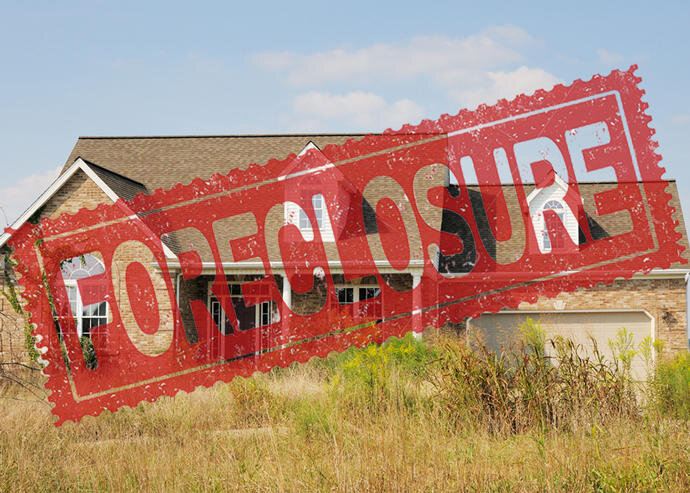
What is Foreclosure?
Consider this scenario: you or your spouse recently lost your job. You still have the same monthly obligations but suddenly lack the income to cover expenses, including your mortgage payment. What happens next? Even if you secure new employment, the debt accumulated during that unemployment period might be too substantial to resolve within a reasonable timeframe. When this situation persists, the bank initiates foreclosure proceedings.
How Long Do You Have To Get Out of Your House After Foreclosure?
The foreclosure process typically follows these steps: missed payments, public notice, foreclosure filing, auction, and eviction, but the timeline for each phase varies by state. You might have anywhere from 120 days to nine months before the lender can complete foreclosure through either judicial or non-judicial means. Throughout this period, your lender will contact you via phone, mail, and email to communicate about the process.
Florida Foreclosure Basics: Florida Is a Judicial Foreclosure State
If you’ve been researching foreclosure online, you’ll see a lot of articles explaining “non-judicial foreclosure” (where a lender can foreclose without going to court). That can be confusing for Florida homeowners because Florida mortgage foreclosures generally run through the court system.
Florida is commonly considered a judicial foreclosure state, meaning the lender typically must file a lawsuit and obtain a court judgment before a foreclosure sale can happen. Florida law states that “all mortgages shall be foreclosed in equity,” which is why the process is handled through the courts.
What “Judicial Foreclosure” Means for Florida Homeowners
Because foreclosure in Florida is court-driven, your timeline and options often depend on which stage you’re in. In many cases, the process includes:
1) The Foreclosure Lawsuit Is Filed
The lender (or loan servicer) files a foreclosure complaint in court to begin the case.
2) You Are Served and Deadlines Start
After you’re served with the lawsuit paperwork, there is usually a deadline to respond. Ignoring it can speed up the case.
3) The Case Moves Through Court
The case can move forward through court procedures (sometimes quickly, sometimes slowly), depending on your specific situation.
4) A Final Judgment May Be Entered
If the lender wins, the court can enter a final judgment of foreclosure and set the case for sale.
5) A Foreclosure Sale Is Scheduled and Conducted
The sale is conducted as a public foreclosure sale under Florida’s foreclosure sale procedures.
Can You Sell Your House While It’s in Foreclosure in Florida?
In many situations, yes homeowners can sell their home during foreclosure as long as the sale closes in time (timing depends on the stage of your case and whether a sale date has been scheduled).
A key concept that affects timing is Florida’s right of redemption. Under Florida law, certain parties can stop the foreclosure sale by curing the debt before the later of:
- the filing of the certificate of sale, or
- the time specified in the foreclosure judgment
Because the deadlines and status of a foreclosure case can move quickly, it’s important to confirm whether:
- a foreclosure lawsuit has been filed,
- a final judgment has been entered, and/or
- a foreclosure sale date has been scheduled.
Florida Foreclosure Timeline: 5 Terms You Should Know
Foreclosure Lawsuit
The court case that begins the foreclosure process.
Served
When you are officially given the foreclosure lawsuit paperwork, which typically starts response deadlines.
Final Judgment
A court order that may allow the foreclosure to move forward to a scheduled sale.
Certificate of Sale
A clerk filing connected to the foreclosure sale process that can affect redemption timing.
Certificate of Title
A filing that typically confirms the sale and transfers title to the purchaser under Florida procedures.
Why Some Articles Talk About “Non-Judicial Foreclosure” (And Why It Doesn’t Match Florida)
Non-judicial foreclosure exists in other states that allow a lender to foreclose using a power-of-sale process without filing a lawsuit. Florida’s mortgage foreclosure process is generally different because it is handled through the courts.
If you see an article claiming “Florida is a non-judicial foreclosure state,” it’s usually describing how foreclosure works elsewhere—not the typical Florida mortgage foreclosure process.
Quick Checklist: Where Are You in the Process?
If you’re trying to decide what to do next, start here:
If You’re Behind on Payments but No Lawsuit Yet
You may still have time to explore options like repayment plans, loan modification conversations, listing the property, or selling as-is.
If You’ve Been Served With a Foreclosure Lawsuit
Treat this stage as time-sensitive. Court deadlines matter, and waiting can reduce your options.
If a Sale Date Has Been Scheduled
Speed becomes critical. Your plan often needs to close before the sale is completed, and redemption cutoffs can come up quickly.
If the Home Needs Repairs or Is Vacant
You may need an option that can handle the condition and move faster than a traditional sale.
Get an offer today, sell in a matter of days.
How to Sell Your House Before Foreclosure in Florida
Let’s explore your options for selling your home in the Florida Panhandle, tailored specifically to your timeline and unique situation:

Hire A Real Estate Agent
Many Bay County homeowners initially consider the traditional route of hiring a local real estate agent. While this approach works for some, it creates significant challenges during financial hardship or foreclosure. Your agent will list your property on the MLS and handle showings, but these services come at a considerable cost – typically 3% to 6% of your sale price in commissions. When you’re already facing financial pressure and need to maximize every dollar to satisfy your lender, these fees can substantially reduce what you walk away with.
There’s also the uncertainty about your closing timeline. While agents often make optimistic projections, the reality is you must still find a qualified buyer and then wait at least 30 days for the conventional closing process. For Gulf Coast homeowners facing imminent foreclosure auction or eviction, even a one-month timeline might be too long to avoid serious consequences.

Short Sale
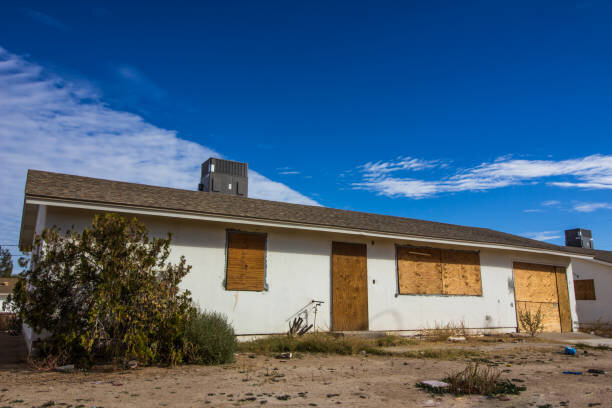
When your mortgage balance exceeds your property’s current market value in Panama City or surrounding areas, your realtor might recommend a short sale. This becomes necessary in underwater mortgage situations – for instance, if you owe $200,000 but your home’s present value is only $150,000. Though it appears to offer a solution, the process is neither quick nor straightforward for Panhandle homeowners.
First, you’ll need your lender’s approval. Qualifying for a short sale requires demonstrating genuine financial hardship through extensive documentation including W-2s, medical bills, and other relevant records. If your hardship stems from income loss, the lender will require evidence that your financial setback is long-term with minimal prospects for improvement. Once approved, you’ll still need both a real estate agent and an attorney specializing in short sales, who will charge standard fees similar to traditional home sales.
If your foreclosure hasn’t progressed too far and you’ve maintained open communication with your lender, they’ll likely approve the short sale. This allows them to avoid the time and expense of foreclosure proceedings while still recovering some of their losses from missed payments. However, for Florida homeowners, the short sale’s negative impact will persist for the next 5 to 7 years.
While you may have sold the house and satisfied a portion of your debt, a short sale can damage your credit similarly to bankruptcy. Credit bureaus record both the mortgage delinquency and the short sale itself, making it extremely difficult to obtain credit cards, finance vehicles, or secure housing throughout the Gulf Coast region for roughly the same duration as bankruptcy consequences.

Sell Your House AS-IS to A Local Cash Buyer
If you’re facing tight time constraints to sell your home before foreclosure advances to auction and eviction, you have options! You can try selling with a real estate agent, coordinate a short sale with your lender, or – most advantageously – partner with a trusted local family-owned company like Panhandle Real Estate Investments. As neighbors who understand the Gulf Coast market, we can help resolve your situation quickly with dignity and respect.
Key advantages of selling to a direct cash investor include:
- A streamlined, stress-free closing process that works on your timeline.
- No commissions, hidden fees, or closing costs to worry about.
- Elimination of marketing concerns, showings, and the uncertainty of waiting for qualified buyers.
- Zero preparation, cleaning, or repairs needed – we buy properties exactly as they stand!
When you sell your home as-is to Panhandle Real Estate Investments, you not only avoid losing your property to auction but may also generate sufficient funds to address your financial obligations. As a local, family-owned business committed to the Panhandle community, we offer fair, honest solutions based on current Bay County market conditions. Moving forward without the burden of monthly mortgage payments and looming debt represents one of the most liberating decisions you can make for yourself and your family!
| Option | Typical timeline | Upfront costs | Certainty of closing | Best for |
|---|---|---|---|---|
| List with a real estate agent | 30–90+ days | Often repairs/clean-up + staging + commissions | Medium | Homeowners with time before a sale date who want top dollar and the home is in decent shape |
| Short sale (with lender approval) | 60–180+ days | Usually minimal out-of-pocket, but paperwork/negotiation heavy | Low–Medium | Homeowners who are underwater and have enough time to wait for lender approval |
| Sell as-is to a local cash buyer | 7–21 days (sometimes faster) | Typically minimal (no repairs required) | High | Homeowners who need speed, the home needs repairs, or a sale date is close |
Where Are You in the Foreclosure Process? Choose One
A) I just missed payments / got a breach letter
- What it means: You’re likely in early default or “pre-foreclosure.” The loan is behind, but a court case may not be filed yet.
- What to do this week: Call your servicer and ask what stage you’re in, what fees are due, and whether a foreclosure case has been filed. Request options in writing (reinstatement, repayment plan, modification).
- What to do this week: Gather basics: payoff estimate, monthly payment amount, HOA status, and a quick repair/condition list.
- What selling looks like: You usually have the most flexibility here—listing may be possible if you have time, or an as-is sale can move faster if speed matters.
- Watch-outs: Delays can push you into a lawsuit stage and tighten deadlines.
B) I was served a foreclosure lawsuit
- What it means: A foreclosure case has been filed in court. Your timeline is now driven by the legal process and court deadlines.
- What to do this week: Locate your case info and confirm status (newly filed, motions pending, judgment pending, etc.). Consider speaking with a Florida attorney or HUD-approved counselor if you’re unsure.
- What to do this week: Request an updated payoff and reinstatement figure from your servicer and ask whether a sale date is being requested or scheduled.
- What selling looks like: You can still sell in many cases, but you’ll want a plan that can close quickly and coordinate payoff/lien details through title.
- Watch-outs: Ignoring the lawsuit can lead to default and reduce your options fast.
C) A sale date is scheduled
- What it means: You’re late-stage and time is the #1 constraint. Your window may be weeks—or less.
- What to do this week: Verify the exact sale date (and time), request an updated payoff immediately, and confirm what’s required to stop or postpone the sale in your specific case.
- What to do this week: Choose only options that can realistically close before the sale deadline (speed matters more than “perfect”).
- What selling looks like: Everything needs to move fast—title work, payoff coordination, and lien/HOA checks. Access and paperwork speed make or break it.
- Watch-outs: Even a willing buyer may not be able to close if you wait until the last minute.
D) I already moved out / the property is vacant
Watch-outs: Unsecured or neglected properties can rack up costs quickly and slow down closing.
What it means: Vacant homes can create extra risk (damage, break-ins, code issues, insurance complications), and that can reduce buyer interest and add costs.
What to do this week: Secure the property (locks, utilities, yard) and document condition with photos so you can decide repair vs. sell-as-is.
What to do this week: Check for issues that derail closings: code enforcement, HOA/COA balances, liens, municipal utilities, vandalism or water damage.
What selling looks like: Vacant homes are easier to show, but condition drives price—if repairs are significant, an as-is buyer may be the most realistic route.
Can You Stop Foreclosure Once it Starts?
Pay Off Your Loan & Fees
You’re facing a challenging financial situation. Your debt continues mounting while your income remains unchanged. It’s time to consider serious approaches to rapidly reduce your debt. Do you have assets you could liquidate? Perhaps family members or friends could provide financial assistance or a temporary loan until your situation improves. If you’re committed to reducing your debt and preventing foreclosure, consulting with a financial professional might help restructure your budget effectively. Consider implementing one or several of these strategies to overcome your debt burden and return to a life free from financial stress.
Declare Bankruptcy
Filing for bankruptcy should be considered a final option that may temporarily stop your home’s foreclosure, but carries lasting financial implications. The bankruptcy process requires specialized legal counsel and is quite involved. Upon court approval of your petition, you’ll be required to complete a government-mandated credit counseling program, with the bankruptcy remaining on your credit report for 7 years. This decision impacts nearly every financial aspect of your life – from automobile financing and credit applications to banking relationships and rental opportunities. Before taking this step, consider contacting us about selling your Florida Panhandle home quickly for a fair cash offer instead.
Homeowner Assistance Fund
If you’re facing foreclosure in Florida and want legitimate help (not outdated programs), the Consumer Financial Protection Bureau (CFPB) is a strong starting point because it lays out practical foreclosure options, how to work with your servicer, and how to avoid scams; it also explains the Homeowner Assistance Fund a federally funded program run by each state to help eligible homeowners with certain housing-related costs and notes that HAF is scheduled to end in September 2026 or when funds run out, whichever happens first (program availability and rules vary by state).
Sell Your House Fast to the Panhandle’s Trusted Family-Owned Buyer
Frustrated with traditional 30+ day closings? Concerned about credit damage from a short sale? Falling behind on property taxes and worried about losing your home to a tax deed sale? Panhandle Real Estate Investments delivers the solution you need. As a local, family-owned company with deep Gulf Coast roots, we offer a compassionate, transparent approach with cash ready to purchase your home in any condition.
Partner with us to avoid the lengthy foreclosure process, stop a tax deed sale before it happens, prevent eviction and auction, complete your sale within days, and protect your credit standing.
While our cash offers might not match full market value, the advantages are substantial: no months-long waiting periods, absolutely zero fees or commissions, no repair requirements, and no stressful inspections or showings. Most importantly, our quick closing capability means you can often finalize your sale before a bank auction or tax deed sale takes place and all outstanding back taxes, interest, and fees are paid off at closing so you walk away clean.
Rather than losing your home to the bank or the county, you maintain control by selling on your terms to local investors who genuinely care about Florida Panhandle homeowners and treat you with the respect and dignity that neighbors deserve.
We Buy Houses in Foreclosure & Pre-foreclosure–
Get Your Offer Today!
Ready to finally walk away from your property without the dark cloud of foreclosure hanging over your head? Contact the local, family-owned team at Panhandle Real Estate Investments to learn more and receive a fair cash offer for your Bay County property today. As Panama City residents ourselves, we understand the unique challenges facing Gulf Coast homeowners and are committed to providing honest, respectful solutions.