
If you are a homeowner in Florida and you’ve started receiving a stack of letters from your mortgage servicer, attorneys, or other companies about your mortgage payment status, you are not alone. Getting mail related to delinquency and pre‑foreclosure is stressful and confusing. What do breach of contract letters mean? When should you take action? How can you avoid scams that prey on vulnerable homeowners? This guide breaks down everything you need to know, with expert insights, timelines, checklists, and clear next steps so you can make informed decisions about your home before it reaches auction.
Throughout this article, the team at Panhandle Real Estate Investments will explain these terms, reference federal protections like CFPB loss mitigation procedures under 12 CFR 1024.41 and spotlight legitimate versus scam mailers you may encounter. If you are past the point of just thinking about foreclosure and want solutions, call us at 850‑778‑2212 or visit how we help homeowners sell for cash before foreclosure.
What “Pre‑Foreclosure” Mail Really Means
When mortgage payments slip past due, your lender is required to notify you at various stages of delinquency. Early on (30–60 days), you may see generic overdue notices. As the delinquency worsens, things escalate to breach or default letters and eventually notices that refer to acceleration of your debt or imminent foreclosure actions.
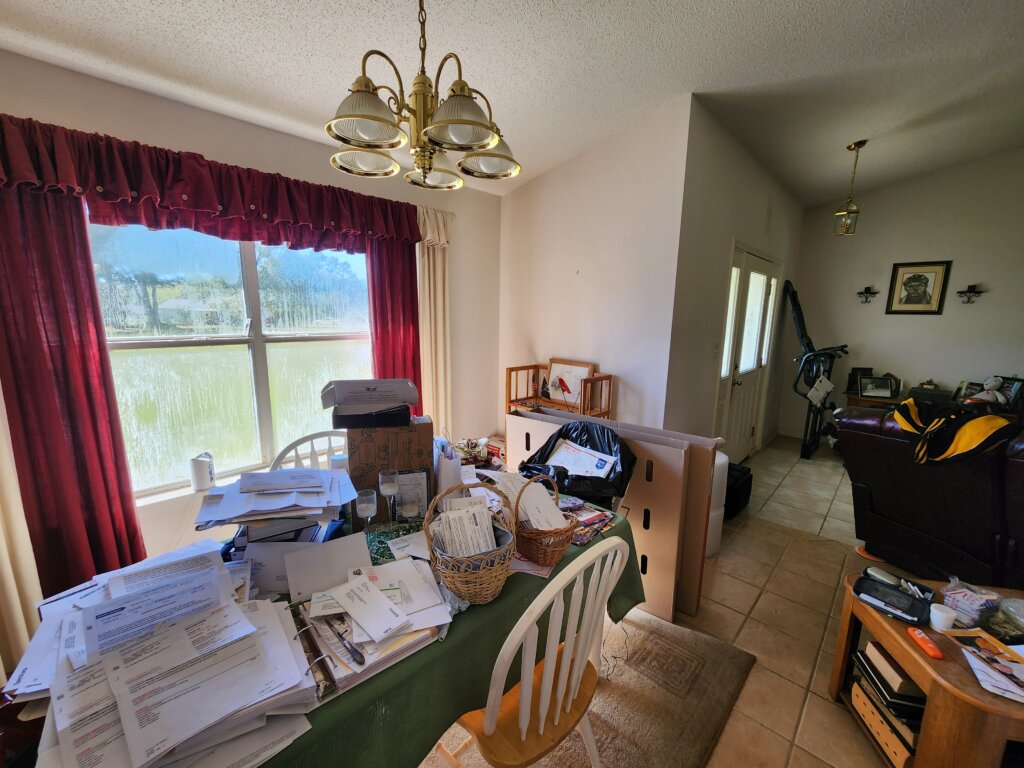
Common Types of Pre‑Foreclosure Mail
Breach/Default Letters
These letters inform you that you are in violation of your mortgage agreement because you have missed payments. They typically:
- State how many payments you have missed.
- Demand that you pay the overdue amount by a specific date.
- Explain that if you do not cure the default, the lender may accelerate the loan (demand full repayment) or initiate foreclosure.
Getting such a letter does not always mean foreclosure is imminent, but it is serious notice that your delinquency has crossed a threshold and requires action.
Acceleration Notices
These letters mean your lender may be planning to demand the entire outstanding loan balance due immediately because of continued nonpayment. Acceleration often precedes foreclosure actions.
Foreclosure Notices
Depending on your mortgage type and state law (Florida uses a judicial foreclosure process in most counties), you may receive a lawsuit complaint, notice of sale, or other formal documentation that a foreclosure has been filed in court.
Timeline: How Pre‑Foreclosure Typically Progresses
Understanding where you are on the timeline can help you act proactively instead of reactively. Below is a simplified comparison of common stages for mortgage delinquency:
| Time Past Due | Typical Mail/Notice | What It Means |
|---|---|---|
| 30 days | Late payment notices | Reminder and fees begin |
| 60 days | Breach/Default letter | Lender formally notices default |
| 90–120 days | Acceleration/Foreclosure warning | Risk of legal action increases |
| 120+ days | First foreclosure filing | Legal process to sell property may start |
Most lenders operating under the Consumer Financial Protection Bureau’s regulations cannot begin foreclosure until a borrower is 120 days delinquent or more, which creates a critical window for homeowners to explore options before foreclosure actions are filed.
Legitimate Notices vs. Scams: How to Tell the Difference
As the threat of foreclosure looms, many homeowners become targets for scammers posing as mortgage saviors. It is critical to differentiate official documents from fraudulent solicitations.
Legitimate Mail
You can generally trust mail from:
- Your mortgage servicer or lender.
- Attorneys or law firms representing the lender in official foreclosure proceedings.
- Government agencies (with clear official seals and references).
These notices will reference your loan number and specific missed payments, and they will never require you to pay someone else besides your lender to talk about options like loan modification or forbearance.
Scams to Avoid
Scam mail is designed to look urgent and official but often:
- Claims you must stop communication with your lender.
- Wants upfront fees to “stop foreclosure” or “protect your home”.
- Encourages you to make payments to a third party instead of your servicer.
- Says you can cancel your mortgage or “audit” your loan for profit.
According to the Federal Trade Commission (FTC) and the Consumer Financial Protection Bureau (CFPB), fraudsters often pose as housing counselors, lawyers, or government representatives and charge upfront fees without providing legitimate services.
Warning Signs of Scam Mail
- Requests payment before any action is taken.
- Claims government affiliation without credentials.
- Tells you to stop paying your mortgage immediately.
If you suspect a scam, report it to the CFPB or FTC right away.
Federal Protections That Matter: CFPB Loss Mitigation Rules
Homeowners facing foreclosure have rights under federal law, including 12 CFR 1024.41, which governs loss mitigation procedures for mortgage servicers. These rules are part of the Real Estate Settlement Procedures Act (RESPA) and require servicers to:
- Acknowledge receipt of loss mitigation applications.
- Treat a completed application carefully and fairly.
- Give you time to accept or reject loss mitigation offers.
If you submit a complete loss mitigation application before the first foreclosure filing, your lender generally cannot begin foreclosure until those options are reviewed and certain conditions are met. This makes it especially important to engage early and respond to breach letters with loss mitigation paperwork if you want to explore options like modification or forbearance rather than losing your home.
Steps to Take When Pre‑Foreclosure Mail Starts Arriving
Receiving pre‑foreclosure letters means one thing: action is required. Here is a practical mail triage checklist you can use to assess your situation:
Pre‑Foreclosure Mail Triage Checklist
✅ Identify the sender — mortgage servicer, attorney, or unknown.
✅ Read the notice carefully and look for a deadline.
✅ Check if the notice references government laws or protections.
✅ Verify if it asks for payment to anyone other than your servicer.
✅ Call your servicer immediately to confirm the status.
✅ Consider submitting a loss mitigation application if you want to stay in the home.
✅ Avoid paying upfront fees to third parties for modification help.
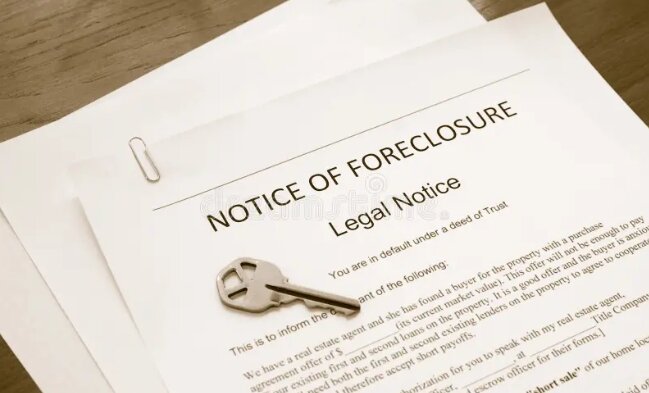
Your Options After Receiving a Breach or Foreclosure Notice
Once you have verified the legitimacy of the mail and understand your delinquency status, here are common paths homeowners take:
1. Work With Your Lender on Loss Mitigation
You can ask your servicer about options like:
- Loan modification.
- Payment forbearance.
- Repayment plans.
Federal rules give you time to be evaluated for these options as long as your application is complete and timely.
2. Sell Your Home Before Foreclosure
You may choose to sell your home to satisfy the debt and avoid foreclosure. The Florida legal process allows you to sell even if you are deeply behind. One option is working with trusted local buyers like Panhandle Real Estate Investments who buy homes for cash, as‑is, often within a matter of days. A quick sale could give you funds to pay off the mortgage and avoid further credit damage or legal action.
Here is how that choice compares to foreclosure and traditional listing:
Decision Matrix: Selling vs. Foreclosure
| Option | Closing Speed | Control Over Outcome | Credit Impact | Costs |
|---|---|---|---|---|
| Sell to Cash Buyer | Fast (days to weeks) | High | Lower impact than foreclosure | No commissions/fees |
| Traditional Sale | Slow (weeks to months) | Moderate | Depends on sale timing | Agent fees & repairs |
| Foreclosure Auction | Final | Low | Severe impact | Loss of equity |
Pros & Cons of Selling Before Foreclosure
Pros
- You avoid the foreclosure process.
- You can often cure your debt with sale proceeds.
- You may have more dignity and control over your outcome.
- No repairs or extensive prep typically required when selling to a cash buyer.
Cons
- Cash offers may be below full market value.
- You must move or find new housing.
Sample Scenario: How Selling Helps
Imagine your home’s unpaid balance is $220,000, and you have missed 90 days of payments. Your lender sends a breach letter demanding payment or face foreclosure. If you sell your house for $230,000 through a traditional agent, after agent commissions (about 6%) and closing costs (~2%), your net might be ~$210,000 — not enough to cover what you owe. But selling as‑is for cash might get you a quick offer of $220,000, netting enough to pay off the loan and keep your cash difference to start fresh.
Common Questions Homeowners Ask
Can I stop foreclosure if I apply for loss mitigation?
Yes, if you submit a complete loss mitigation application before the first foreclosure filing, your servicer generally must review it and offer options before moving forward with foreclosure.
What if I ignore the letters?
Ignoring breach or foreclosure notices accelerates risk and reduces your options. It almost always harms your credit more and limits choices.
Can a company guarantee to save my home?
No legitimate company can guarantee foreclosure avoidance. You should never pay upfront fees for such promises.
Final Thoughts and Next Steps
If pre‑foreclosure mail has you feeling overwhelmed, remember you are not alone and that there are legal protections, options with your lender, and alternative paths like selling your home before it goes to auction. Time is critical. Talk to us before day 120 of delinquency to explore selling options that can help you get out from under mortgage debt and avoid the long‑term impact of foreclosure.
Whether you want to explore loss mitigation with your servicer or learn how selling your home fast can give you control and peace of mind, the team at Panhandle Real Estate Investments is here to help. Visit our Can I Sell My Home if It’s in Foreclosure in Florida? page to learn more about how selling works even when you are delinquent, or contact us directly at 850‑778‑2212 for a no‑obligation conversation.

About Panhandle Real Estate Investments
I’m Peyton Saluto, founder of Panhandle Real Estate Investments. For over seven years, I’ve helped homeowners across the Florida Panhandle find fair and stress-free ways to sell their homes—no repairs, no commissions, and no pressure. My goal is always to put people first and make a real difference in our communities by restoring distressed properties and rebuilding neighborhoods. If you’re thinking about selling, reach out for a no-obligation cash offer. I’d love the opportunity to help you find the best path forward.