Selling a home with major damage whether from fire, flood, or mold is a very different experience than selling a clean, move‑in ready property. Traditional buyers and lenders shy away from homes with structural, environmental, or safety concerns. That’s why investors and cash buyers play a key role in helping sellers close as‑is, without costly remediation.
In this guide, we’ll walk you through:
- How severe damage affects home value
- The pricing model investors use
- What you must disclose to buyers
- Practical steps to close even when repairs are expensive
What Counts as Severe Damage?
Fire Damage
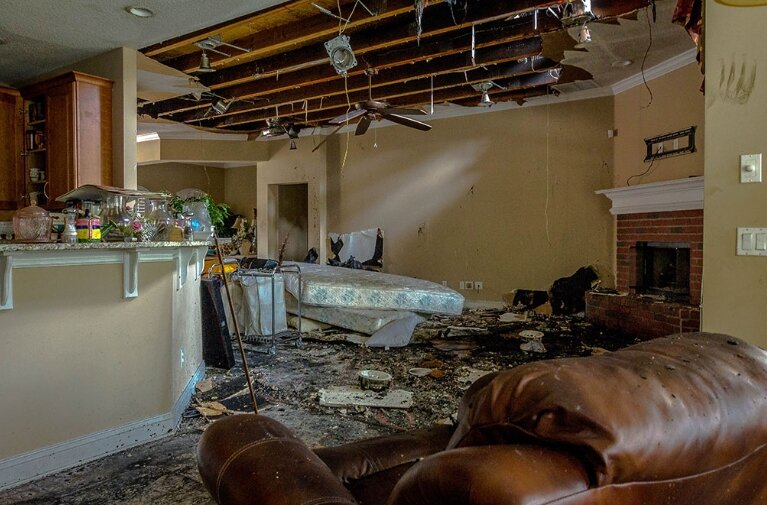
Fire can destroy structural components, mechanical systems, and interior finishes. Even after the flames are out, smoke, soot, and water from firefighting efforts can carry hazards that affect habitability.
Flood Damage
Flooding brings a unique set of problems water exposure to structural wood, insulation, electrical systems, and more. Even clean water can cause major deterioration if not dried quickly. Flood‑related moisture also sets the stage for mold growth.
Mold Damage
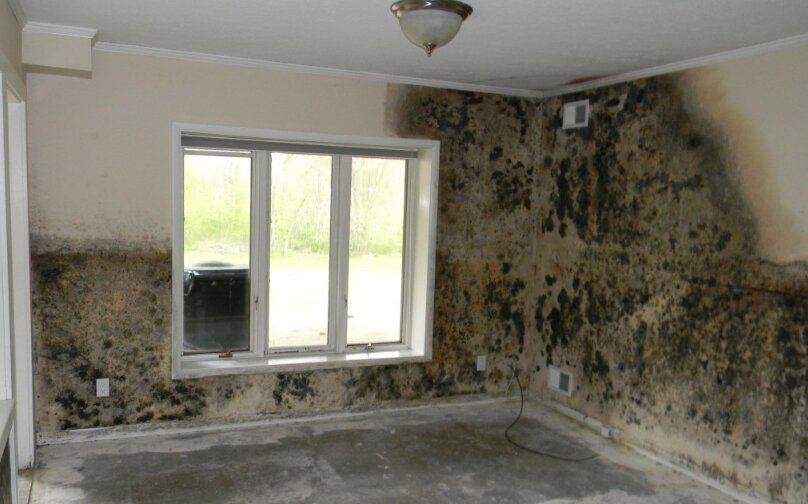
Mold itself is a symptom of water intrusion, not the root cause, and may require environmental remediation before a home can be safely occupied or insured. According to federal guidance, mold grows where moisture is present and cleanup and moisture elimination are key to control.
Insurance Coverage: What You Should Know
Understanding insurance coverage or lack thereof is crucial when pricing a damaged home.
- Standard homeowners insurance does cover fire, lightning, wind, and other named perils. However, it usually does not cover flood damage flood requires separate flood insurance.
- Mold damage is typically not covered by standard policies unless it directly results from a covered, sudden peril (e.g., burst pipe). Even then, coverage is often capped and limited.
- If you do have flood insurance through FEMA’s National Flood Insurance Program (NFIP), that may cover structural flood losses, but coverage limits and scope can be insufficient for complete rebuilds.
Key insight: Most sellers of damaged homes cannot rely on insurance payouts to make the house sellable. That’s why investors price homes based on as‑is condition and the costs to potentially remediate.
Disclosures and Legal Obligations
In Florida (like most states), a seller must disclose known material defects about a property’s condition including past damage from fire, water, or persistent mold issues.
Whether selling with an agent or to a cash buyer, you’re generally required to disclose known structural or environmental problems that materially affect the property’s value.
This includes:
- Whether there has been significant water intrusion or flood damage
- Known mold infestations and remediation history
- Fire damage and repairs completed
Important: Hidden defects not disclosed could potentially lead to legal disputes after closing. Always review your local disclosure requirements and consult an attorney or real estate professional if unsure.
How Investors Price Severely Damaged Homes
When a house is damaged, investors generally use a pricing model based on certainty, risk, and cost of repair rather than the full market value.
Here are the core pricing factors most serious cash buyers use:
1. After Repair Value (ARV)
This is what the home would be worth if fully repaired. It’s based on nearby sales of similar properties in good condition.
2. Cost to Remediate / Repair
Investors subtract expected repair costs often based on professional estimates or worst‑case scenarios. These can vary widely depending on the damage type:
- Fire: Structural rebuilding, smokecleaning, electrical and HVAC replacement
- Flood: Drying, dehumidification, structural repairs, potential foundation work
- Mold: Remediation, moisture control, potentially replacing drywall/insulation
For many severely damaged homes, professional remediation may cost tens of thousands of dollars sometimes far more than the property’s remaining value.
3. Risk & Uncertainty Discount
Investors deeply factor in risk:
- Unknown hidden issues
- Future liability concerns
- Difficulty obtaining financing for buyers
- Time the investment will be held
Severe damage often means an investor applies a larger discount (e.g., 30–60% below normal market value), depending on the extent of the work needed.
4. As‑Is Value
The as‑is offer is what a buyer is willing to pay without requiring you to fix anything. Since you’re selling without repair costs, you often accept a lower offer but save on time, stress, and upfront costs.
Remediation Timelines and Realistic Expectations
Before final pricing especially if considering repairs yourself understand typical remediation timelines:
- Mold Remediation: Often requires containment, drying, removal of damaged materials, and clearances may take weeks to months depending on severity.
- Water Damage Drying: Drying of structural wood and insulation can take 48–72 hours minimum in clean water events and much longer for contaminated water.
- Fire Damage Cleanup: Smoke and soot require specialists; finishes, wiring, and structural components may all need replacement.
These timelines vary by contractor availability and permitting.
Disclosure Best Practices
Even if you’re selling to a cash buyer or investor, be transparent about:
- What caused the damage (fire, flood, storm, plumbing)
- Whether remediation steps have already been taken
- Whether insurance claims were filed or paid
- Any ongoing moisture or safety concerns
Full disclosure not only builds trust but also protects you legally. Agents and attorneys often help prepare seller disclosure forms.
Closing As‑Is: Common Paths
1. Cash Buyer Close
The fastest route. Investors specializing in damaged homes often buy without inspections or financing contingencies.
2. Traditional Sale With Repairs
Only feasible if repairs are affordable and you have funds or insurance coverage to complete them. Many lenders will not finance severely damaged homes until certain benchmarks are met.
3. Land‑Only Sale
In extreme cases where the structure is unsalvageable, you might sell just the land. Investors sometimes buy land parcels without improving structures.
Pricing Factors Checklist (Simple Version)
Use this when evaluating offers or estimating your property’s as‑is value:
✔ Damage Severity – Fire, flood, or mold
✔ Estimated Repair Costs – Get at least one professional estimate
✔ Structural Safety & Habitability
✔ Insurance Coverage History
✔ Local Market Comparable Sales (ARV)
✔ Investor Risk Discount
✔ Timeline to Resell After Repair
✔ Disclosure Requirements
Conclusion & Call to Action
Selling a home with fire, flood, or mold damage doesn’t mean you can’t close it just requires a different pricing mindset and a willingness to work with buyers versed in as‑is sales.
Whether you want a fast cash offer, a professional valuation, or help navigating disclosure and buyer communication, we can help.
📞 Contact us to get a fast, fair as‑is offer on your damaged home no repairs needed.

About Panhandle Real Estate Investments
I’m Peyton Saluto, founder of Panhandle Real Estate Investments. For over seven years, I’ve helped homeowners across the Florida Panhandle find fair and stress-free ways to sell their homes—no repairs, no commissions, and no pressure. My goal is always to put people first and make a real difference in our communities by restoring distressed properties and rebuilding neighborhoods. If you’re thinking about selling, reach out for a no-obligation cash offer. I’d love the opportunity to help you find the best path forward.