
Contractor Not Showing Up? A Homeowner’s Checklist (Lessons From a Panama City Rehab)
We learned this the hard way on a full gut renovation in Callaway , FL and if you’re a homeowner thinking, “I’ll just manage the rehab myself and make a little extra,” this post is meant to save you time, money, and stress.
I’m Peyton with Panhandle Real Estate Investments. We renovate homes for a living, and even with experience, contractor issues can still happen especially when the job is large, the timeline is loose, and nothing is in writing.
The real-life scenario (and why it matters)
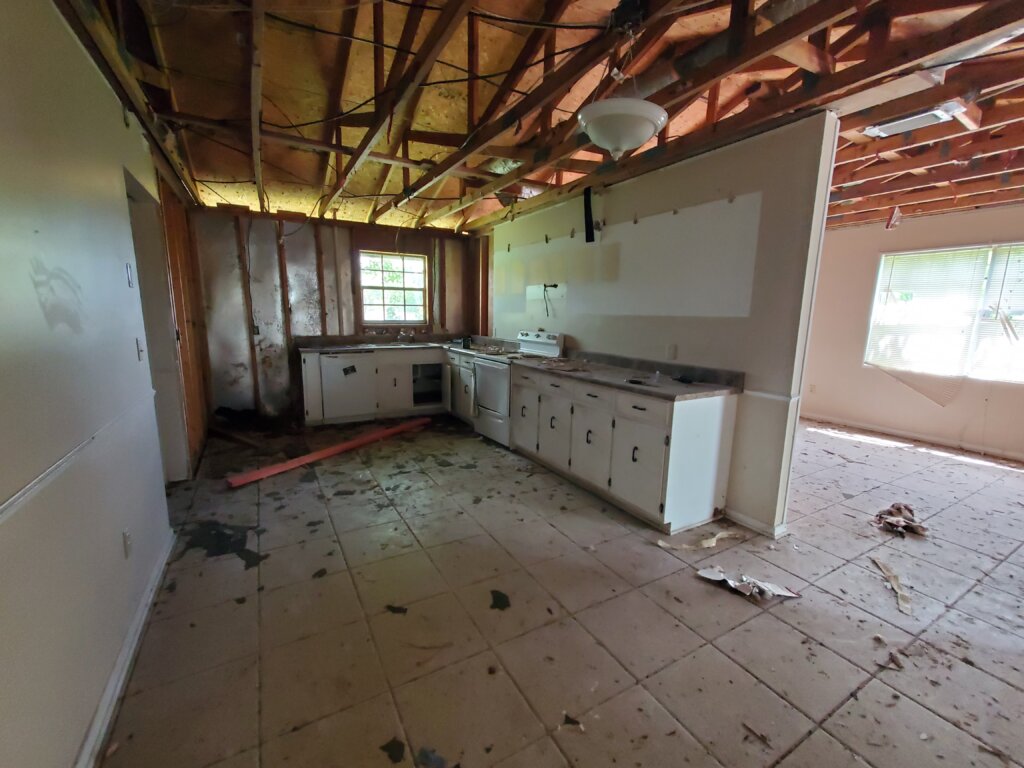
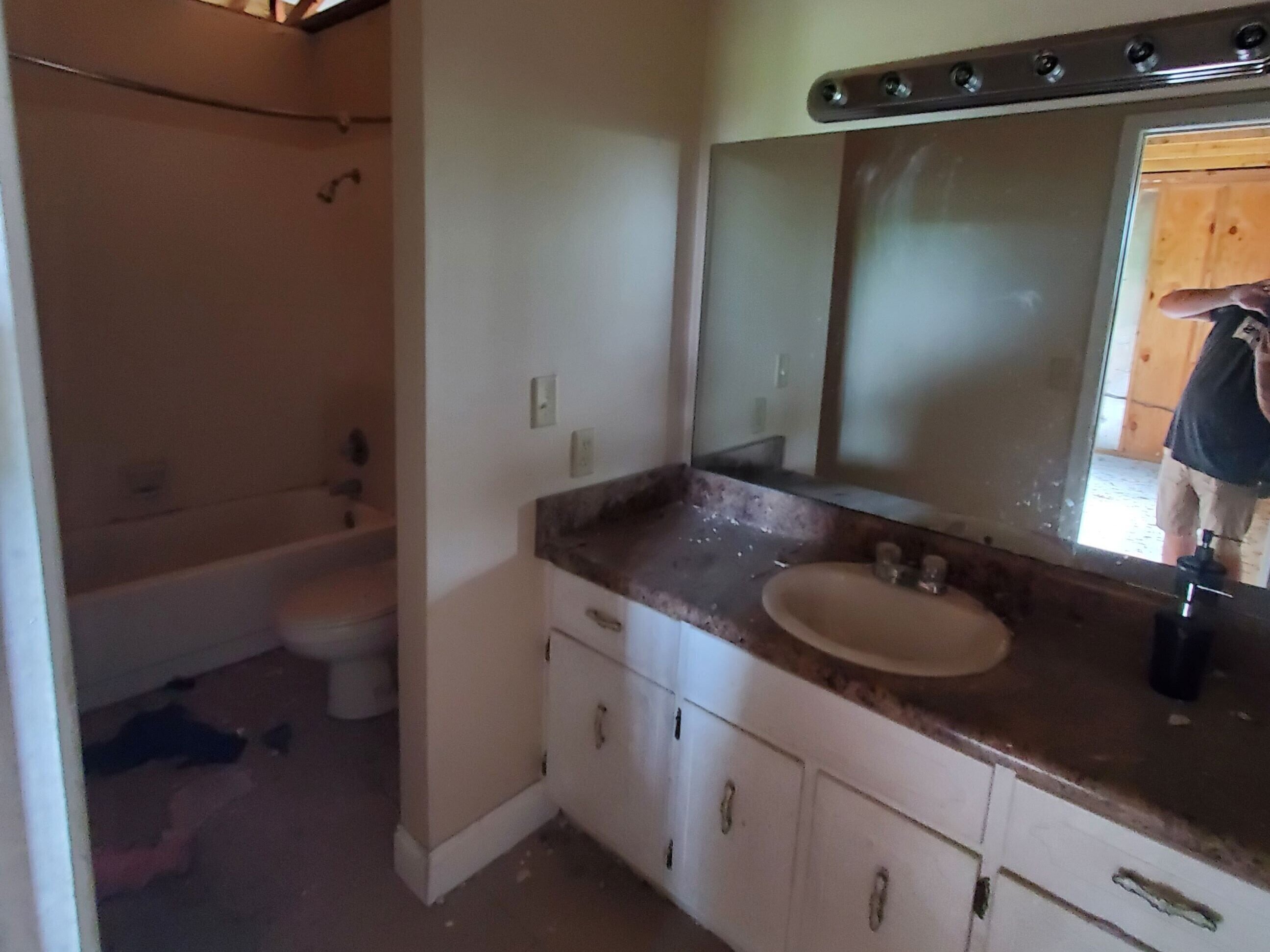
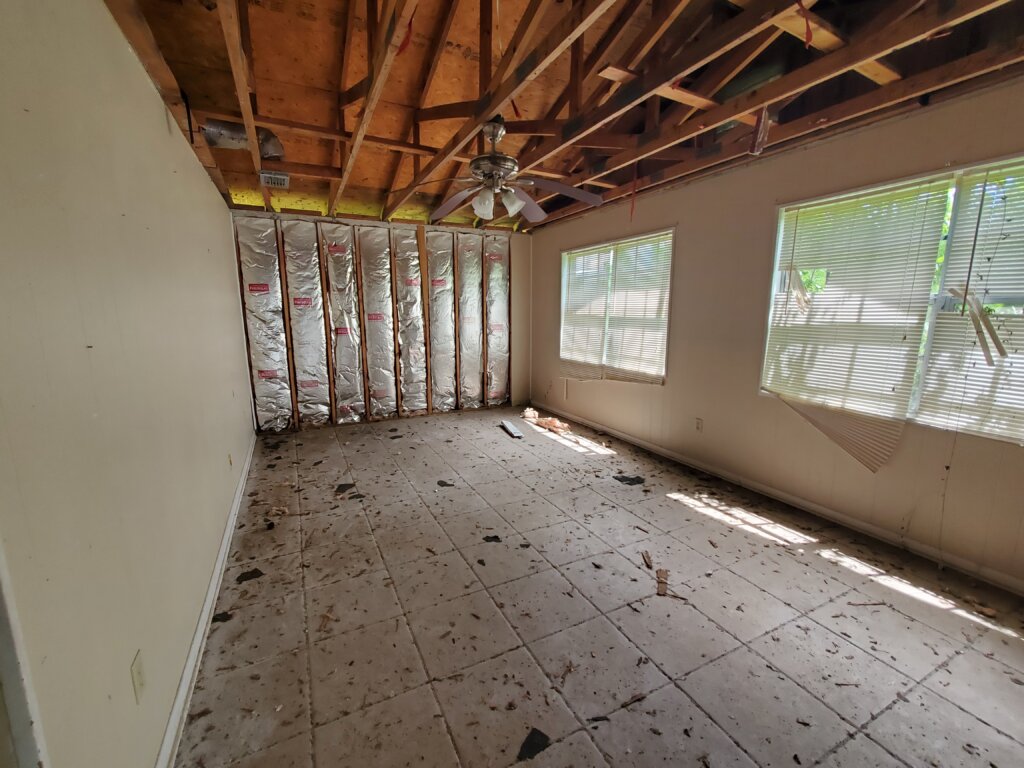
This property was Hurricane Michael-damaged and had sat 3–4 years before we bought it. It needed a true down-to-the-studs gut renovation.
The general contractor (GC) was a family friend, which made it emotionally harder to treat it like a business relationship. We also made a big mistake: there was no written contract.
Here’s what happened:
- The contractor estimated 2.5 months. We were 5 months in and still staring at a long runway.
- He stopped showing up for about 3 weeks.
- We had paid a check before the holidays—and got about a day and a half of work after that.
- The project got stuck at a “sequence bottleneck” (no power → no floors → no trim → no progress).
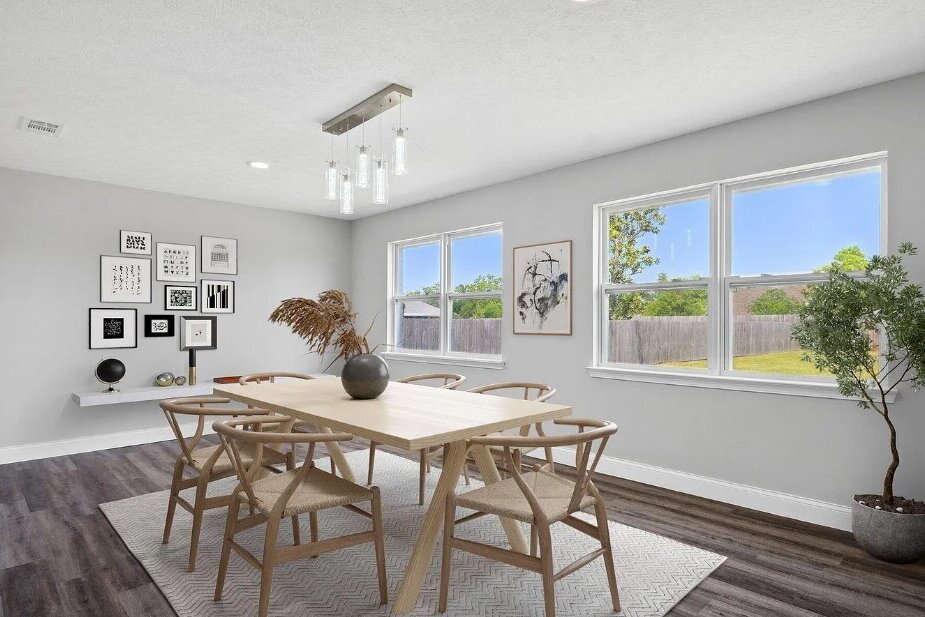
Eventually, we met on-site and said, “This isn’t working for either of us. Let’s settle up fairly for completed work and move on.” We terminated the relationship, brought in a new crew, and they finished the remaining work in about 3–4 weeks.
That contrast tells you everything: this wasn’t a “hard project” problem—it was a management + accountability problem.

Why contractors disappear (the most common reasons)
It’s usually one (or several) of these:
- Overbooked / understaffed (they took on more work than they can handle)
- Cash-flow juggling (your deposit/draws float other jobs)
- Bad subs (electric, plumbing, etc. don’t show and the GC can’t recover)
- No consequences (if there’s no timeline clause, they work your job “when they can”)
- Poor documentation (scope is fuzzy, expectations get messy, disputes start)
And after major storms, homeowners are often more vulnerable because demand spikes and scams increase—so vetting matters even more.
Red flags you should not ignore (we ignored one early)
If you see these early, don’t “hope it gets better.” Fix it fast or replace them.
Red Flag #1: Not enough manpower from day one
In our case, the GC started with one guy doing demo for 2–3 weeks. On a full gut, that’s a signal they don’t have the bench to hit deadlines.
Red Flag #2: They’re “too busy” after taking your money
If they weren’t too busy to cash the check, they shouldn’t be too busy to show up.
Red Flag #3: No schedule you can enforce
A contractor can promise “three weeks” all day long, but if there’s no written timeline with milestones, you’re relying on goodwill (and goodwill doesn’t pay your holding costs).


The homeowner pre-hire checklist (do this before you pay anyone)
This is your “protect yourself” checklist—especially if you’re about to do a major rehab.
1) Verify license and status (Florida)
In Florida, you can verify professional licenses through DBPR / MyFloridaLicense. Don’t skip this step.
2) Get multiple written estimates
The FTC recommends multiple estimates and getting the details in writing (scope, materials, completion date, price).
3) Demand a written contract (even with friends/family)
Yes, even when it’s awkward. Especially then.
The FTC’s contractor guidance emphasizes tying payments to defined work and having a written contract.
4) Confirm insurance (and get proof)
At minimum:
- General liability insurance
- Workers comp (or documented exemption)
5) Require a simple “scope of work” that’s painfully specific
If it’s not written, it doesn’t exist. Your scope should include:
- What is included
- What is excluded
- Brand/grade of materials (when relevant)
- Who pulls permits (if needed)
- Cleanup responsibilities
- Disposal (dump fees surprise people)
The payment structure that prevents most disasters
If you remember one rule, make it this:
Don’t pay for promises pay for verified progress
The FTC also recommends making payments contingent on completion of defined work, so if work isn’t on schedule, payments are delayed too.
A homeowner-friendly draw schedule looks like:
- Small deposit to schedule + mobilize
- Then milestone draws only after visible completion (and walkthrough/photos)
- Hold back the final 10% until punch list is done
Florida note on lien waivers (important)
In Florida, lien rights generally can’t be waived in advance, and waivers apply only to work actually furnished. That’s why you should pair payments with appropriate lien waivers/releases.
Add timeline “teeth”: bonuses and penalties (what we do now)
Here’s the change we made after this project:
- If the contractor says “3 weeks,” we write:
- Bonus if completed before the deadline
- Daily penalty after the deadline
Why? Because holding costs are real.
A simple way to think about carrying costs: many rehabs effectively run around ~1% of purchase price per month (about 12% annualized) once you combine interest, taxes, insurance, utilities, and misc. That’s roughly $3,000/month on a $300,000 house and it adds up fast when delays turn into extra months.
What to do when your contractor stops showing up (step-by-step)
If you’re already in it, here’s a calm, practical sequence.
Step 1: Document everything (today)
- Jobsite photos/video (with dates)
- Payment history (checks, invoices, bank screenshots)
- Texts/calls/emails
- A written list of what’s completed vs. not completed
Step 2: Send a written “cure notice” with a deadline
Even if you don’t have a formal contract, you can still put expectations in writing:
- “You have X days to resume work.”
- “Work must restart by (date) and follow this weekly schedule.”
- “If you don’t, we’ll consider the job abandoned and hire a replacement.”
Step 3: Stop funding the delay
No more draws “to help them catch up.” Payment should restart only when work restarts.
Step 4: Confirm permit status + who is responsible
If permits are open and the contractor disappears, you can end up stuck.
Step 5: Get replacement bids while you’re waiting
This matters because once you decide to replace them, you want momentum immediately.
Step 6: Terminate cleanly and settle fairly
This is what we did:
- Meet on-site
- Walk the project
- Agree on what’s completed
- Pay only for completed work you can verify
- Move on
Step 7: If things get messy, use consumer resources
If you suspect fraud, unlicensed activity, or deceptive behavior, the FTC recommends reporting fraud and being cautious about payment tactics.
And in Florida, DBPR provides license verification and complaint pathways (start with verification, then escalate if needed).
A “print-this” contractor protection checklist
Before you hire
- ☐ Verify license status (Florida DBPR)
- ☐ Get 3+ written estimates
- ☐ Written contract with scope + start date + completion date
- ☐ Insurance proof (GL + workers comp/exemption)
- ☐ Payment schedule tied to milestones (not calendar dates)
- ☐ Lien waiver process tied to payments (talk to a pro)
During the job
- ☐ Weekly site meeting or update (10 minutes)
- ☐ Photo log (you can do this from your phone)
- ☐ Never pay ahead to “get them motivated”
- ☐ Track schedule vs. milestones
If they vanish
- ☐ Document everything
- ☐ Written deadline to resume work
- ☐ Stop payments until work resumes
- ☐ Line up replacement bids
- ☐ Terminate and settle based on verified completion
FAQ
Can I fire a contractor if there’s no written contract?
Often yes, but it can get complicated fast depending on payments, permits, and what they claim was completed. Document everything and consider getting professional guidance if money is significant.
Should I use a friend or family member as my contractor?
You can, but only if you’re willing to treat it like a business:
- written scope
- written timeline
- written payment terms
Otherwise, it’s not “trust” it’s exposure.
What’s the #1 mistake homeowners make with contractors?
Paying too much too early without enforceable milestones. The FTC specifically recommends making payments contingent on defined work being completed.
If this feels overwhelming, you do have another option
If you’re in the Florida Panhandle and dealing with a damaged home, an inherited property, or a rehab that’s gone sideways, you don’t always have to “finish the renovation” to move forward.
Panhandle Real Estate Investments can talk through options and if it makes sense make an as-is offer.

About Panhandle Real Estate Investments
I’m Peyton Saluto, founder of Panhandle Real Estate Investments. For over seven years, I’ve helped homeowners across the Florida Panhandle find fair and stress-free ways to sell their homes—no repairs, no commissions, and no pressure. My goal is always to put people first and make a real difference in our communities by restoring distressed properties and rebuilding neighborhoods. If you’re thinking about selling, reach out for a no-obligation cash offer. I’d love the opportunity to help you find the best path forward.